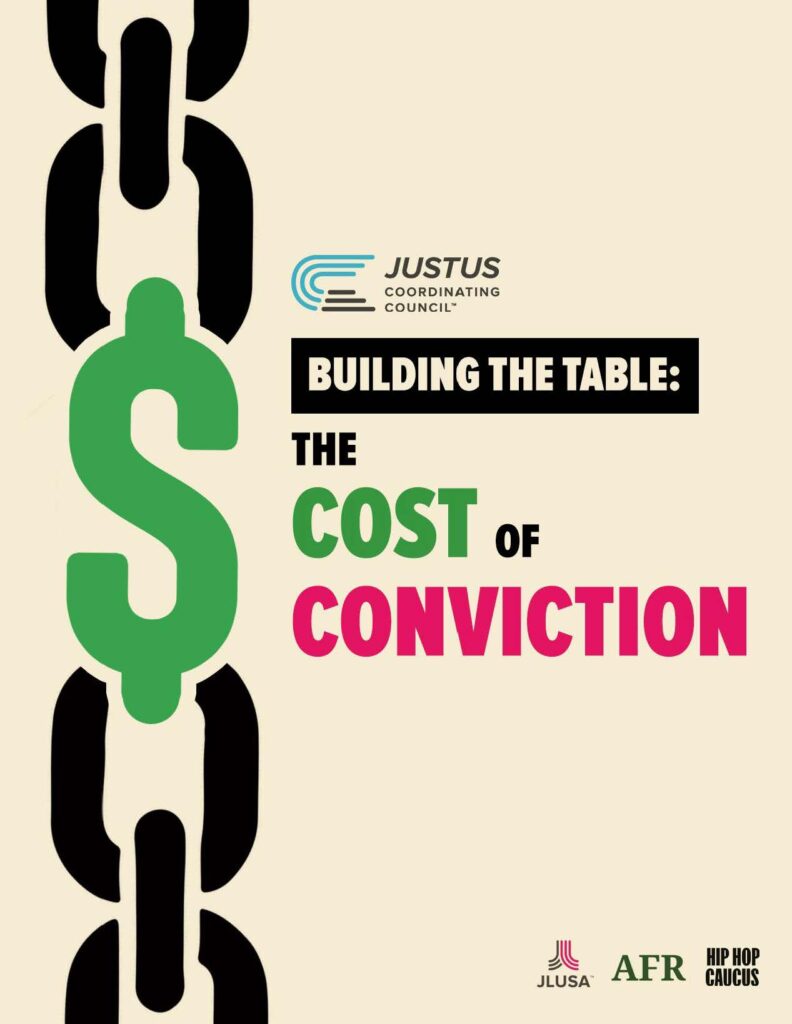
Written in collaboration with Americans for Financial Reform and the Hip Hop Caucus, this paper focuses on financial system access—opening bank accounts, using digital platforms, securing credit, and building wealth. It illustrates how reentry must be understood not only through the lens of criminal punishment but also through systemic financial exclusion. The co-production of harm by legal systems (policing, bail, sentencing) and financial systems (predatory lending, debt surveillance, credit scoring) uniquely impacts Black and Brown communities by criminalizing poverty and enforcing exclusion from economic life.
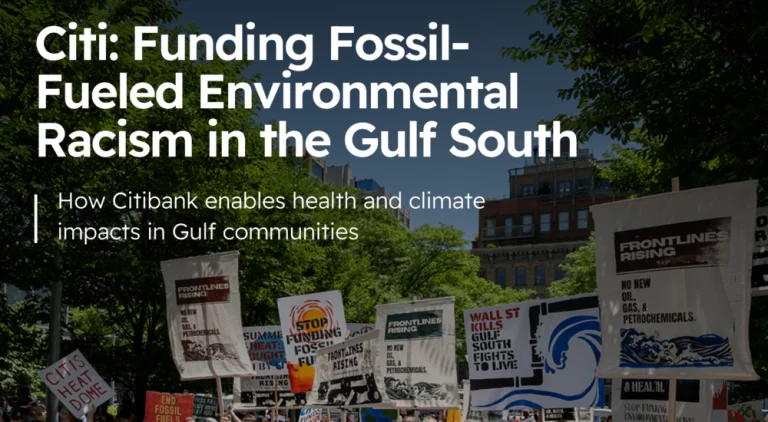
Citi: Funding Fossil-Fueled Environmental Racism in the Gulf South quantifies the projected health impacts the facilities’ permitted air pollution could have on the region and highlights three communities in the area that are fighting back against fossil fuel development.
The Social Impact of MDI Mortgage Lending: In this report, we explore MDI mortgage lending from 2019-2022. Recent Federal Reserve data illustrates that homeownership was a key driver of wealth for U.S. households during this pandemic era, especially for minority households. Our analysis highlights the social impact of MDI mortgage lending, particularly as compared to lending from other types of financial institutions. In addition to statistical analysis, our paper also features insights from seven MDIs, gleaned from interviews with key personnel at these institutions. These interviews help provide an understanding of the MDI mortgage landscape, including the major challenges, needs, opportunities, and goals of the MDI sector.
Unlocking A New Era of Climate Finance for Mission-Driven Community Lenders